Showing posts with label Biography. Show all posts

Monday, 28 September 2026

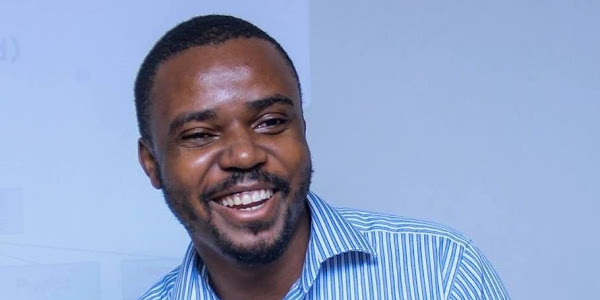
Biography of Oladotun Precious Ajayi

Full Biography of Oladotun Precious Ajayi - NELOC Media News

Born on 13th May, Oladotun Precious Ajayi is a Nigerian Youth developer who began his advocacy on LinkedIn to address the global challenge of unemployment due to an ordeal he faced at a very young age, and to ensure students/younger professionals leverage LinkedIn for career opportunities after seeing what Linkedin offered him as early as when he was in his 2nd year in the university

Oladotun is a recipient of a number of international recognitions/awards such as Diana Award (the most prestigious award a young person can get presented by the Duke and Dutchess of Sussex), Linkedin Top Voice( a recognition given by Linkedin headquarters to 300 creator around the world, yearly) and the Junior Chambers International Award as one of the Top 10 personalities in his institution while he was in his fourth year in the university.
He is still working around ensuring the rate of unemployment in Nigeria is mitigated, and for this course, he co-founded students on linkedin; a community where he is helping young people understand more about navigating Linkedin for career opportunities as well as bridging the gap between students and opportunities.


He also organizes a yearly event tagged LinkedIn Local-Ogbomoso in an underserved community to connect young people to people and opportunities. He works additionally with human and social sustainability network africa, which is a youth-led social enterprise committed to addressing the global challenge of poverty through strategic initiatives in education in Nigeria.


Oladotun Ajayi is a social entrepreneur, public health professional, and digital strategist focused on youth employment, human capital development, and digital health innovation in Africa. As the co-founder of Evolv Africa, he organizes large-scale events connecting young people to global opportunities, internships, and career development resources. Recognized as a LinkedIn Top Voice and Diana Award recipient, Oladotun frequently speaks at international conferences on topics like the future of work, healthcare, and digital transformation. His content includes professional advice, event announcements, and inspirational messages aimed at empowering young professionals to access opportunities and build impactful careers. 

Top skills
Project Management • Project Planning • Public-private Partnerships • Community

 He describes himself as one who dwells at the intersection of health, policy, business and development; democratizing opportunities for young persons to increase employability.

Entrepreneur, nurse, youth advisor - building @evolvafrica - ecosystem builder, policy, linkedIn top voice - democratizing opportunities for youths in africa  - digital health • nonconformist • nestuge.me/oladotun ‹O thevantagecircle 60 members 

Based in Lagos State, Nigeria, Oladotun Ajayi is a recipient of the 2023 Diana Award Recipient. LinkedIn Top Voice. in Top Voice
Evercare Group

Oladotun Ajayi is active on social media. You can connect with him via his official handles on Facebook, Instagram, LinkedIn, TikTok and X.

Saturday, 19 September 2026

Monday, 14 September 2026

Biography of Aanuoluwapo Adeniyi


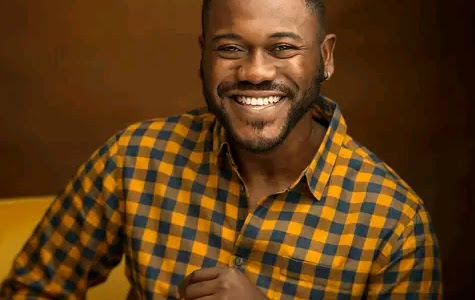
Born on 3rd April, Aanuoluwapo Adeniyi
(Aanuwiththedoublea) is a Nigerian aspiring actor, and digital content creator 

Aanuoluwapo is a 2026 graduate of Computer Science from the Lagos State University (LASU).
Based in Lagos, Nigeria
• _aanuade
♪ aanuade
• popouttickets.com/events/
aanuadeliveinconcert
• youtube.com/@_aanuade
 
_aanuade
TikTok
_aanuade
Instagram
https://www.youtube.com/@_aanuade
Website
https://popouttickets.com/events/ aanuadeliveinconcert
Website
Education

Studies at Lagos State University (LASU).
31 December 2022-present

Studied at Early Heights College

Aanuoluwapo is active on social media. You can connect with him via his official handles on Facebook, Instagram, TikTok and X. [email protected] and 07061625618 

Saturday, 12 September 2026

Biography of Damilola Adegbite

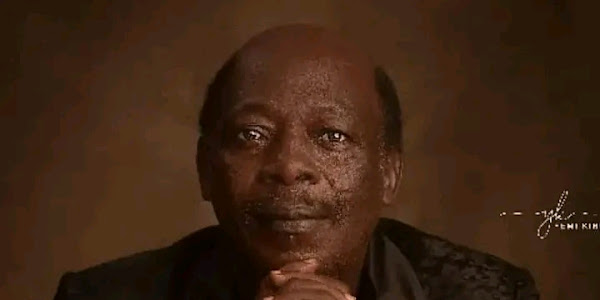
Born on May 18th, 1985, Damilola Adegbite is an actress, fashion and fitness enthusiast and author.
 
Damilola Adegbite attended the Queens College, Yaba Lagos between 2003 and 2009. She thereafter proceeded to a study and graduate in 2013 from the department of Business Administration, Bowen University, Iwo, Osun State, Nigeria.

Full Biography of Damilola Adegbite


Damilola Adegbite's book titled, ''Reset'' talks about a mind-body approach to a new you. To order her book, you can visit her official website here.
 
Author, Philanthropist and a trained "Exercise to Music" instructor. As a fitness & wellness enthusiast, I strongly believe that maintaining a healthy balance between the body and mind should be of the utmost priority to everyone, and, I'm passionate about making the world a better place too!
 

Actress at Nollywood Entertainment

Owner at Self Employed (Business)

Studied Business Administration at Bowen University Iwo, Osun State Nig...

Went to Queens College Yaba Lagos

Lives in Lagos, Nigeria

From Lagos, Nigeria

ـمـ

Wednesday, 2 September 2026

Tuesday, 1 September 2026

Biography of Professor Segun Aina


Professor  Segun Aina, who is popularly known as PSA, is a Nigerian Professor  PSA TOP Impact Driven Academic Traveller F1 Lover 88 


Professor Segun Aina is happily married to his heartthrob

Professor Segun Aina is active on social media. You can connect with him via his official handles on Facebook, Instagram, TikTok and X (formerly Twitter).

Friday, 28 August 2026

Biography of Ken Eric

Born on 28th February 1985. Ugochuckwu Eric Nwenweh, well known and called Ken Erics, is a 37years old  Nigerian actor, music artist and TV presenter that acts or mainly  work in Nollwood. Though he was born  in the nothern part of the country (Nigeria). He hails from the Eastern part of  Nigeria. He's among other siblings his parents have. According to some reports, Ken Eric grew up in a very godly home, hence he's a Christian.


The talented actor, had his primary school education in kano, Nigeria. Due to some reasons best known to him, Ken Eric got  his secondary School education in the East (Anambra State). Based on his burning passion for acting, he further bagged a  first degree in theatre act at the Prestigious Nnamdi Azikiwe University, Awka. He didn't just stop there, he moved further to getting a Master Degree in the same field ( tjit happened not quite long).

Trending: Twin Sisters Impregnated by Same man in Akwa Ibom Dedicate Children

Ken Eric has since started acting since he was a child. He joined several drama groups back then in the University. This helped to reshaping him into a better actor. This continued  till he  left the University. Ken Erics in the year 2001, featured in the movie "Holy Prostitute" That was his first movie.


After gaining so much knowledge in his field (career). He joined the Nollwood industry where he started acting fully. Like most beginners starting a career, he wasn't popular then .The movie "The illiterate" was his first role he played in a Nollywood movie, that was about 10years ago. This single opportunity exposed him to many juicy opportunities and of course popularity too. Ever since, the talented actor has been super active in the industry (Nollywood) and has starred in several Nigerian movies. He has also worked with top stars in the Industry, such as Ton to Dikeh, Mercy Johnson etc.

Aside acting, Ken Erics also do music. One of his biggest achievements in recent times is having his own music band.

Ken Erics has been honored with several Awards;  This a little way of appreciating his efforts in the industry. Few are mentioned below:

1. Best lead actor in 2014 at Afrifimo Awards (USA).

2. Best Supporting actor at City People Entertainment Awards in the you 2014.

3. Best Actor at City People Entertainment Awards in the year 2015.

These includes many other awards and norminations he has been honored with.

Ken Erics is a successful man. He has assets, connections etc. He's active on all social media platforms including Facebook, Instagram etc, with lots of followers and fans. As at March 2022, his Net-worth is over $500,000.

Ken Erics is currently unmarried and yet to become a father too. However, he was formerly married to Onyi Adada (in 2017). Unfortunately, things fell apart and their marriage went down due to misunderstanding between the two lovers.


Tuesday, 25 August 2026

Biography of Yewande Adekoya

Yewande Adekoya was born on January 20, 1983. She is a Nigerian actress, content creator and filmmaker who is popularly known for her role in the movie Omo Elemosho, a 2012 film that featured Bimbo Oshin, Muyiwa Ademola and Yomi Fash-Lanso among others.

Full Biography of Yewande Adekoya


Yewande Adekoya was born and raised in Lagos State, but originally hails from Ososa-Ijebu in Ogun State southwestern Nigeria. She began acting in 2002 with Alphabash Music And Theatre Group. She scripted and produced her first content in 2006 titled "Life Secret". 

Growing up, she studied Mass communication in Babcock University. She also studied in other schools like Bright Star Nursery and Primary school, Bright Star Comprehensive High School.

Yewande Adekoya is happily married to her heartthrob.

Yewande Adekoya is active on social media. You can connect with her via her official handles on Facebook, Instagram, Tiktok, LinkedIn and X.


Biography of Opeyemi Awoyemi

Full Biography of Opeyemi Awoyemi

Born on 5th August, Opeyemi Awoyemi best describes himself as an entrepreneur and a builder of people and things. He is the Founder of Moneymie, Jobberman, a job website and Whogohost, a domain registration and hosting company. He is also the CIO at Jobberman, one of the companies he founded and is currently used by millions of Nigerians.
 
Growing up, Opeyemi Awoyemi attended the Federal Government College, Ilorin and thereafter proceeded to study Computer Science at the Obafemi Awolowo University, Ile-Ife. He further studied Strategy, Innovation and Growth at Wharton Executive Education

 
Opeyemi Awoyemi, a father and God-lover, also runs FastForward Fund, a venture studio committed to unlocking prosperity in Africa. In his spare time, he likes to help talented people who are trying to start their own thing get the encouragement they need.
 
Opeyemi Awoyemi is active on social media. You can connect with him via his official handles on facebook, Instagram, LinkedIn and Twitter.


Biography of Olubankole Wellington (Banky W)

Born in New York, United States on 27 March 1981, Olubankole Wellington, who  is popularly known by his musical stage name - Banky W and credited in film as Banky Wellington, is a Nigerian-American singer, rapper, actor, entrepreneur and politician. The singer, uniquely known for his bald head and soothing voice, is also the proud founder and Chief Executive Officer of E.M.E Records. 
 
Banky W is a renowned Nigerian businessman, talented manager, singer, rapper, songwriter, record producer, actor, and politicia
 
Banky Wellington ishappily married to his heartthrob, Adesua Etomi 
 
Education: Rensselaer Polytechnic Institute His family moved to Nigeria when he was five (5) years old Net worth: $12.5 million State of Origin: Lagos Nationality: Nigerian Parents: George Bankole Wellington, Momma Wellington Height: N/A Children: Isaiah Wellington Siblings: 4 Awards and Nominations John Lennon Song Writing Award for the R&B Category (2006) Best R&B Artist during the Nigerian Entertainment Awards (2006) Best Male R&B Artist during the Urban Independent Music Awards, USA (2008) Best R&B Video during the Nigerian Music Video Awards (2008) Best Male Vocal Performance at the Hip hop World Awards (2009) R&B Single of the year during the Hip Hop World Awards (2010) Best R&B Singer (Male) and Best Music Video during the City People Entertainment Awards (2010). 
 
 
Olubankole Wellington (Banky W) is active on social media. You can connect with him via his official handles on Facebook, Instagram, TikTok and X.

The Unique History of Lesotho

This article is a complete insight to Lesotho Country; background, origin, historical and Political configuration with cultural histories.

Lesotho is a country located in the southern part of Africa, and it is enclosed within the borders of South Africa, making it one of the three independent countries which are entirely surrounded by another country.

The Country covers an area of 11,583 square miles and has a population of approximately 2 million inhabitants. The country's capital city, which is also the largest city in the country, is Maseru. Previously, Lesotho was a British colony, and it was known as Basutoland. The Country gained its independence from the British on October 4th, 1966. The original inhabitants of the region where it is present-day Lesotho were the San people.

Lesotho - Historical, Cultural and Political Configuration
Lesotho Flag

This is the History of Lesotho:

The history of people living in the area now known as Lesotho goes back as many as 400 years. The present Lesotho (then called Basotholand during the UK colonial rule) emerged as a single polity under King Moshoeshoe I in 1822. 

Under Moshoeshoe I, Basotho joined other clans in their struggle against the Lifaqane associated with famine and the reign of Shaka Zulu from 1818 to 1828. Subsequent evolution of the state was shaped by contact with the British and Dutch colonists from Cape Colony. 

The Missionaries invited by Moshoeshoe I developed orthography and printed works in the Sesotho language between 1837 and 1855. The Country set up diplomatic channels and acquired guns for use against the encroaching Europeans and the Korana people.

Territorial conflicts with both British and Boer settlers arose periodically, including Moshoeshoe's notable victory over the Boers in the Free State–Basotho War, but the final war in 1867 with an appeal to Queen Victoria, who agreed to make Basotholand a British suzerainty.

In 1869, the British signed a treaty at Aliwal with the Boers that defined the boundaries of Basotholand and later Lesotho, which by ceding the western territories effectively reduced Moshoeshoe's kingdom to half its previous size.

The extent to which the British (UK) exerted direct control over Basotholand waxed and waned until Basotholand’s independence in October 4, 1966, when it became the Kingdom of Lesotho.

However, when the ruling Basotho National Party (BNP) lost the first post-independence general elections to the Basotho Congress Party (BCP), Leabua Jonathan refused to cede and declared himself Tona Kholo (Sesotho translation of prime minister). The BCP began an insurrection that culminated in a January 1986 military coup, that then forced the BNP out of office.

Power was transferred to King Moshoeshoe II, until then, a ceremonial monarch, but forced into exile when he lost favour with the military the following year. His son was installed as King Letsie III. 

Conditions remained tumultuous, including an August 1994 self-coup by Letsie III, until 1998 when the Lesotho Congress for Democracy (LCD) came to power in elections which were deemed fair by international observers. Despite protests from opposition parties, the Country has remained relatively stable since.

The Country forms an enclave within South Africa, bordering on three of the latter’s provinces— KwaZulu-Natal, Free State, and Eastern Cape. Like only two other independent states in the world (Vatican City and the Republic of San Marino), Lesotho is completely encircled by another country, on which it must depend for access to the outside world.

What is the meaning of Lesotho?

Interestingly, the word "Lesotho" is interpreted as "the land of the people who speak Sesotho."

Here Are Quick facts About Lesotho:

Lesotho was a former subject of the UK colonial reign, unitll October 4, 1966, the Kingdom of Lesotho attained full independence, governed by a constitutional monarchy with a bicameral Parliament. More facts are:
  • Continent - Africa
  • Location - Lesotho is a Country located in the Southern Africa
  • Capital - Maseru
  • Largest City - Maseru
  • Neighboring Countries - South Africa
  • Administrative divisions - 10 districts
  • Area 30,355 sq km
  • Population - 2067000  (2009 estimate)
  • Official Language - English, Sotho language
  • Currency - Lesotho loti
  • GDP - $4.277 billion (2013 estimate)
  • Economy - The Economy of the Country is largely dependent upon diamonds exported all over the world. Besides, it also sells water to South Africa, manufacturing, agriculture, livestock etc.

Ethnic Configuration Of Lesotho:

Due to Lesotho's long history as a unified nation, that continued even through British colonial rule, the ethnic makeup of the country is very Homogeneous.

Lesotho's ethno-linguistic structure consists almost entirely of the Basotho (singular Mosotho), a Bantu-speaking people with an estimate of 99.7 percent of the people identify as Basotho.

The  Kwena (Bakoena) are the largest subgroup of the Sotho; other Basotho subgroups include the Natal (North) Nguni, Batloung (the Tlou), Baphuthi (the Phuti), Bafokeng, Bataung (the Tau), Bats'oeneng (the tso'ene) and the Cape (South) Nguni (Thembu). Other ethnic groups include Europeans, numbering in the thousands, and several hundred Asians.

The Sotho (also known as Basotho) form the overwhelming majority of the country’s population. They were originally united by a common loyalty to the royal house of Moshoeshoe I, who founded the Sotho nation in the 19th century. 

Internally, divisions between different chiefdoms and within the royal lineage itself have had political significance, but externally a sense of Sotho nationhood and cultural unity remains strong. Lesotho is also home to a Zulu minority, a small population of Asian or mixed ancestry, and a European community that is dominated by expatriate teachers, missionaries, aid workers, technicians, and development advisers leaving Lesotho with 99.7% Basotho and 0.3% as others.

The are the Languages in Lesotho:

Sesotho (Southern Sotho) and English languages are both official. Except for English, all the main languages spoken in Lesotho are members of the Niger-Congo language family. Sotho (Sesotho), a Bantu language, is spoken by the majority of the population, though both Sotho and English are official languages in the Country. Zulu is spoken by a small but significant minority.

Phuthi, a dialect of Swati, and Xhosa are also spoken in parts of Lesotho. Sesotho,  while Afrikaans, Zulu, Xhosa and French are also spoken.

More Insight To The Ethnic Composition Of Lesotho:

At the turn of the 16th century, Lesotho was inhabited by the Sotho people who lived peacefully with the earlier inhabitants of the Khoisan people. Basotho began taking the shape of a nation when Moshoeshoe I in 1820, gathered a following from the several tribes in the region who had retreated to the northwestern part of modern-day Lesotho to avoid constant raids from the Matabele and Zulu tribes. 

Although he had limited military power, he used diplomatic means to establish his kingdom, which lasted for several years. In 1924, Mashoeshoe became the chief of the local Basotho among other tribal groups which at the time number about 40,000 people. He successfully established a good relationship with missionaries, particularly the French Catholics who established schools and missions. 

Mashoeshoe also sought advice from the missionaries on how to negotiate with Europeans. During the Great Trek of Boers in 1834, Moshoeshoe requested the protection of the British crown, which was better than annexation by the Boers. 

In 1868, to Busotoland was given British protection and the land borders have remained unchanged to this day as it was established in 1869.

Who are the San People in Lesotho?

The San people are also known as the Bushmen and they are part of the Khoisan tribes, who lived as hunters and gatherers in the greater region of Southern Africa. The San people occupied regions where it is currently part of Lesotho, Namibia, Botswana, Zambia, Angola, Zimbabwe, and South Africa. 

The remnants of the ancient San people are found mainly in Botswana. Rock art and stone tools believed to have been the works of the San people are found in different parts in the greater southern part of Africa and date back to about 70,000 years ago making them by far the oldest known art in Africa. 

The San people were nomads, and they moved seasonally to different areas based on the availability of resources such as water, edible plants, and game animals. As of 2010, the population of the San people in Botswana was estimated to be between 50,000 and 60,000. 

Between the 1950s and 1980s, the San people have changed their lifestyle and adopted farming as a way of life because of the government programs of modernization.

Who are the Sotho People?

The Sotho ethnic group is by far the largest in Lesotho accounting for more than 99.7% of the country's population. They are part of the Bantu ethnic group who occupy the larger part of South Africa and are currently found in Lesotho and South Africa.

The Sotho people speak the Sesotho language. It is believed that the Basotho people have lived in the region starting from the 5th century and they are thought to be closely related to other Bantus in the Southern part of Africa. The identity of modern Lesotho was established following the accomplished diplomacy of King Moshoeshoe I, who manage to gather different clans that belonged to the Sotho-Tswana from different parts in South Africa in the 19th century.

The majority of the Basotho people today inhabit South Africa particularly in the Orange Free State which was previously part of the kingdom of Moshoeshoe and is now Lesotho.

Who are the Kwena People?

Kwena people are a subgroup of the Sotho ethnic group and they are found in Lesotho and parts of South Africa. Originally the Kwena people inhabited the Orange Free State, Bantustan, South Africa, and Basutoland, which later became Lesotho. 

In the past, the Kwena people practiced agriculture, and even today they still practice subsistence agriculture as a way of livelihood, and some of the crops they cultivate include sorghum, corn, potatoes, vegetables, and fruits among others.

Who are the Nguni Ethnic Group?

The Nguni ethnic group is another sub-ethnic group of the larger Basotho ethnicity. Nguni people are predominantly in the southern part of Africa and they speak Nguni languages. 

Nguni people include the Phuthi, Hlubi, Swati, Ndebele, Zulu, and Xhosa. The Phuthi and Hlubi people are in Lesotho and other parts in South Africa.

The Swati people are found in Eswatini and South Africa, while the Xhosa and Ndebele are predominantly in South Africa and Zimbabwe.

i. The Phuthi People

Phuthi is part of the Nguni speaking people, and they speak Phuthi language. They inhabit the southern part of Lesotho and areas of South Africa.

The Phuthi language is closely related to Swati or the Siswati language which is spoken mainly in Swaziland and South Africa's province of Mpumalanga. The language has been heavily influenced by the neighboring languages of Xhosa and Sesotho.

ii. The Hlubi People

The Hlubi or the AmaHlubi is part of the Nguni ethnic group who live in the Southern part of Lesotho, and they are also found in South Africa.

The Hlubi people are believed to have originated from Kenya and believed to be closely related to the Samburu ethnic group in Kenya as well as the Shubi ethnic group of Tanzania, who live mainly in Kagera.

The dialect of the Hlubi people is closely related to the Swazi language, which is one of the tekela languages in the Nguni branch and belong to the Niger-Congo family language. 

The Hlubi language is one of the endangered languages because only the elderly can speak the language.


Lesotho - Historical, Cultural and Political Configuration
Lesotho Atlas | image credit: Google

These are the other People In Lesotho:

Other people in Lesotho include the Zulu, who are the minority in the country.  There is also a small population of Asian or mixed ancestry. The European community is also found in Lesotho.

Here is a Quick Snap At The Ethnic Configuration Of Lesotho

1. Sotho - 99.7%

2. Europeans, Asians, and other 0.3%

The Religion in Lesotho:

There is no way we talk about the Ethnic configuration of Lesotho without adding the Religions Praticed in the Country.

Christianity is the dominant religion in Lesotho, which is estimated to be more than 95 per cent Christian. The 2021 Department of State report found Protestants outnumbered Catholics. 

Non-Christian religions represent only 1.5% of the population, and those of no religion is 3.5%. non-Christian people primarily subscribe to traditional African religions, with an insignificant (< 0.2%) minor presence of Islam, Judaism and Asian religions.

The Type Of Government In Pratice In Lesotho:

The Country is a constitutional monarchy, with the King as Head of State, an elected Prime Minister as Head of Government, and a dual legal system consisting of traditional customary law and the common law. Succession to the throne of Lesotho is regulated by the Council of Chiefs

The System of Government And Sharing of Political Powers in Lesotho:

Executive Arm: Politics of Lesotho takes place in a framework of a parliamentary representative democratic constitutional monarchy, whereby the Prime Minister of Lesotho is the head of government, and of a multi-party system. 

Executive power is exercised by the government. Legislative power is vested in both the government and the two chambers of Parliament; the Senate and the National Assembly. It should be noted that the  Judiciary is independent of the executive and the legislature.

The Lesotho Government is a constitutional monarchy. The current Prime Minister, Sam Matekane, is head of government and has executive authority. The King serves a largely ceremonial function; he no longer possesses any executive authority and is proscribed from actively participating in political initiatives.

According to the constitution, the leader of the majority party in the assembly automatically becomes prime minister; the monarch is hereditary, but, under the terms of the constitution which came into effect after the March 1993 election, the monarch is a "living symbol of national unity" with no executive or legislative powers. 

Under traditional law, the college of chiefs has the power to determine who is next in the line of succession to the throne, who shall serve as regent in the event that the successor is not of mature age, and may even depose the monarch.

Legislative Arm; Two Chambers/Dual Legislature/Bicameral Legislature.

The Parliament has two chambers. The National Assembly has 120 members, elected for a five-year term, 80 in single-seat constituencies and 40 by proportional representation. The Senate has 33 nominated members.

National legislature:

Bicameral parliament; 80 members of the National Assembly (the lower house) are elected on a constituency basis according to the terms of the 1993 constitution, and 40 members are elected by proportional representation; the Senate (the upper house) consists of 33 non-elected members, 11 of whom are nominated by the king on the advice of the prime minister, plus the 22 principal chiefs of Lesotho

Political Party Structure/System/Types In Lesotho:

Lesotho Party - political organisations were legalised in May 1991. The Country operates a multiparty type and most of them could be grouped as ideological Party system as they often have different ideologies each followed.

The ruling coalition consists of four parties: the All Basotho Convention (ABC), the Alliance of Democrats (AD), the Basotho National Party (BNP) and the Reformed Congress of Lesotho (RCL).

The main opposition parties are the Democratic Congress (DC), the Lesotho Congress for Democracy (LCD) and the Movement for Economic Change (MEC). A total of 30 parties contested the 2017 election, and seven seats in parliament are occupied by smaller organisations.

This is a Snap shot to Lesotho Political Structure:

  • Form of Government - Parliamentary
  • System of Government - Constitutional Monarchy
  • Party type - Multiparty
  • Legal system - Based on Roman-Dutch law

Here are the record of Coups in Lesotho;

The Military Coups in Lesotho can be grouped into Three Categories; The 1970 Lesotho coup d'état was a self-coup that took place in Lesotho on 30th January, 1970, led by Prime Minister Leabua Jonathan.

It led to the assumption of dictatorial powers by Prime Minister Jonathan, who held the office since 1965. The coup was triggered by the victory of the opposition Basutoland Congress Party (BCP, led by Ntsu Mokhehle) over the ruling Basotholand National Party (BNP, led by Jonathan) in the general election.

Snap shot into the 1970 Lesotho coup d'état

  • Type - Self-coup
  • Cause - Electoral defeat of the ruling BNP in the general election
  • Motive - Annulment of the general election
  • Organised by - Leabua Jonathan
  • Participants - Government of Lesotho
  • Outcome - Coup succeeds
Prime Minister Jonathan declared a state of emergency, annulled the general election, dissolved parliament and suspended the constitution.

King Moshoeshoe II temporarily exiled from 5 June to 5 December 1970 after showing his disapproval of the actions; with Queen 'Mamohato serving as Regent.

Jonathan himself was deposed in the 1986 coup d'état, led by General Justin Lekhanya.

1986 Lesotho coup d'état

The 1986 Lesotho coup d'état was a military coup that took place in Lesotho on 20th January, 1986, led by General Justin Lekhanya. It led to the deposition of Prime Minister Leabua Jonathan, who held the office since 1965 and assumed dictatorial powers in the 1970 coup d'état, after the general election was annulled.

Snap shot into 1986 Lesotho coup d'état:

  • Type - Military coup
  • Motive - Regime change
  • Target - State House, Maseru
  • Organised by - Justin Lekhanya
  • Participants -  Lesotho Defence Force (faction)
  • Outcome - Coup succeeds
Overthrow of authoritarian BNP government of Prime Minister Jonathan. The establishment of military rule under the Military Council headed by General Lekhanya.

Deposition of King Moshoeshoe II in favour of his son Letsie III in 1990.

General Lekhanya announced the creation of the Military Council, which would exercise all executive and legislative powers in the name of King Moshoeshoe II. Eventually, a power struggle developed between Lekhanya and the King, with the latter being forced into exile in the United Kingdom in February 1990, and officially dethroned in December of that year.  Lekhanya himself was deposed in the 1991 coup d'état, led by Colonel Elias Phisoana Ramaema.

1991 Lesotho coup d'état:

The 1991 Lesotho coup d'état was a military coup that took place in Lesotho on 30th April, 1991, led by Colonel Elias Phisoana Ramaema. It led to the resignation of Prime Minister General Justin Lekhanya, who held the office since the 1986 coup d'état.

Snap Shot into the 1991 Lesotho coup d'état:

  • Type - Military coup
  • Motive - Regime change
  • Target - State House, Maseru
  • Organised by - Elias Phisoana Ramaema
  • Participants -  Lesotho Defence Force (faction)
  • Outcome - Coup succeeds

Overthrow of military government of Prime Minister Lekhanya. Colonel Ramaema assumed the leadership of the Military Council.

Thereafter, Multi-party general election was held in 1993, and King Moshoeshoe II was restored to the throne in 1995.

Colonel Ramaena besieged the government and forced Prime Minister Lekhanya to resign. During Ramaena's two years in power, a new constitution restoring the powers of the Parliament was adopted.

Multi-party general election was held on 27 March 1993, with the assistance of the Secretariat of the Commonwealth of Nations, at the request of the government. Finally, the exiled King Moshoeshoe II, who was dethroned by General Lekhanya in 1990 was restored to the throne on 25 January 1995. 

This  is the Civil War History of Lesotho:

Though, there is not really obvious Civil war in Lesotho, but due to the fact that many tribes comes together to form Lesotho, the Country, at some extent experienced war with neighboring tribes and other States. It should also be noted that the Britain played some roles in some of the wars. The Wars are grouped into three.

Basotho (Now Lesotho) Wars 1858 - 1868

The three Basotho Wars (1858-68) and the formation of Lesotho (Background Knowledge)

The conflict between the Basotho people and White settlers in what is now the Free State/ Lesotho area, consisted of three wars (1858- 68). The purpose of these three wars was the
Maintenance of Territorial Rights in the area between the Caledon and Orange Rivers; from present day Wepener to Zastron, and the area north of the Caledon River, which includes present day Harrismith and the area further westwards.

The Basotho wars were preceded by the mass migration of several Nguni groups. This migration occurred during the reign of the Zulu King Shaka, who conquered several Nguni groups, which were absorbed into the Zulu kingdom. Other Nguni tribes fled and settled in other areas during this time - which is known as the Mfecane period.

Mfecane - Zulu name, also known as the Difaqane or Lifaqane in Sesotho), is an African expression which means something like "the crushing" or "scattering". It describes a period of widespread chaos and disturbance in southern Africa during the period between 1815 and about 1840.

In 1818, King Moshoeshoe, who was the son of the chief of the Bakotela branch of the Koena/Kwena (Crocodile) clan, helped to gain power over smaller fugitive and displaced clans. In 1820, Moshoeshoe became chief of a larger unit of Southern Sotho groups, who had fallen under his centralized authority due to competition for resources, which was intensified by a drought.

This competition for resources caused these larger groups to seek protection from other marauding groups, and Moshoeshoe and his people retreated to the mountain fortress of Thaba Bosiu in 1824. Moshoeshoe gave assistance to his defeated enemies by giving them land, which led to the establishment of the Basotho nation.

In the late 1820s, a group of Kora (a group of Khoikhoi settlers also known as the Korana) and Dutch speaking people of mixed descent arrived in the vicinity of Moshoeshoe's kingdom. As they were mounted on horseback and armed with guns, the Basotho retreated. This also led to Moshoeshoe deciding to arm his people and give them horses.

The arrival of White settlers in the area, due to the Great Trek, was initially useful to Moshoeshoe, as the settlers created a buffer between the Basotho and the Kora. These White settlers (known as Boers) crossed the Orange River from the Cape Colony in the mid-1820s. Although these settlers allegedly asked for this permission to settle there, they later claimed it - despite Moshoeshoe's view that he had lent it to them. 

In 1845, a treaty was signed, which recognised White settlement in the area; however no boundaries were drawn between the area of White settlement and Moshoeshoe's kingdom. This dispute led to inevitable border clashes and a discernible boundary became necessary.

The British, who then controlled the area between the Orange and Vaal Rivers (the Orange River Sovereignty) eventually proclaimed the Warden line (after Major Warden). This line divided territory between British territory and the Basotho under Moshoeshoe, and stretched from Cornetspruit and the Orange River through Vechtkop to Jammerbergdrift on the Caledon.

The Warden line caused much resentment, as the fertile Caledon River Valley served as a vital area in terms of agriculture for both the British and the Basotho. This border line was therefore not acceptable to Moshoeshoe, and hostility followed, which led to conflict between the Basotho and the British, who were defeated by Moshoeshoe at the battle of Viervoet in 1851. 

In 1851, Moshoeshoe also offered Andries Pretorius an alliance against the British in the sovereignty.

As punishment to the Basotho, Sir George Cathcart then brought troops to the Mohokane River, and Moshoeshoe was ordered to pay a fine. When he did not pay the fine in full, a battle broke out on the Berea Plateau in 1852, where the British suffered heavy losses due to the armed Basotho cavalry. This sealed the fate of the sovereignty, even though Cathcart was initially in favour of withdrawal.

In 1854, the cost of maintaining the sovereignty became too much for the British and they therefore handed over the territory to the Boers through the signing of the Sand River Convention. The Boers therefore claimed the land beyond the Caledon River, naming it the Republic of the Orange Free State.

This began further conflict over land and undefined boundaries with the Basotho, who regarded themselves as the rightful owners, and who continued to use the land for grazing.

This is the summary of First Basotho War:

Further conflict occurred after JN Boshof; President of the OFS, and Moshoeshoe discussed issues of armed conflict and cattle rustling. However, these discussions only led to Boshof declaring war on the Basotho on 19 March 1858 (also stated as 22 March 1858). The Basotho were formidable opponents, and the Boers suffered substantial losses, as they were unable to penetrate the Basotho mountain stronghold of Thaba Bosiu (also called Thaba Bosigo). This war is also known as the First Basotho War or the WAR of SENEKAL (sometimes spelt Senegal).

During this war, the Boers also destroyed many mission stations in the Basotho kingdom, as they blamed them for educating and instilling a sense of pride among the Basotho. These mission stations had been set up by missionaries from the Paris Evangelical Society, who arrived at Thaba Bosiu in 1833. They had helped to unite the Basotho under Moshoeshoe, and were the first to write the Sesotho language.  

This is the summary of the Second Basotho War (Seqiti War):

After this war an uneasy peace followed. J.H Brand, who replaced Boshoff, took initiative and negotiated with Moshoeshoe, who objected that the frontier was not clear. However, hostilities re-surfaced, and President Brand believed that the OFS should use its military superiority against the Basotho.

Moshoeshoe had also realized his precarious position, and had applied for British protection from Sir Philip Wodehouse, a new commissioner who had arrived in the Cape in 1861.

The Warden Line had then been reaffirmed, and although the Basotho were given time to withdraw, attacks continued later nonetheless. In 1865, the Orange Free State launched the Second Basotho War known in Sesotho as the Seqiti War. The word seqiti refers to the sound made by the new cannon the Boers used to crush the Basotho strongholds, mainly in the present day Free State province.

The Free State army then began to seize cattle and destroy crops, and two attempts were then made to storm Moshoeshoe's stronghold at Thaba Bosiu, where Commandant Wepener was killed.

Moshoeshoe was then compelled to accept the peace of Thaba Bosiu on 11 April 1866, due an exhaustion of Basotho food supplies. Moshoeshoe's son Molapo had also allegedly concluded a separate peace treaty.

Moshoeshoe then renewed entreaties for British protection after a short armistice. This was because due to the fact that the Free State Government was late in allocating land, the Basotho slowly advanced over the border line, and further tensions mounted. The Free State Government began to raise an armed force, which was aggravated by the murder of two Whites in Ladybrand in June 1867.

This is the summary of the Third Basotho War:

Brand demanded the hand over of the murderers, but Moshoeshoe stated that he had not agreed to the frontier line of 1866, and therefore the events had not occurred on Free State territory. In July 1867, the third war between the Free State and the Basotho in ten years began, and Boer forces overran Moshoeshoe's land and conquered all the land except the impregnable fortress of Thaba Bosiu.

The Free State forces had achieved great military success, and Moshoeshoe was compelled to ask for British assistance. Basutoland was then annexed on 12 March 1868, after Governor Wodehouse received instructions to negotiate with Moshoeshoe for the recognition of the Basotho as British subjects.

On the 12 March 1868, the British parliament declared the Basotho Kingdom a British protectorate. The Orange Free State was forced to discontinue the war if it was not to raise trouble with the British Empire.

In February 1869, the boundaries of present day Lesotho (previously Basutoland) were then drawn up according to the Convention of Aliwal-North. This convention gave the Conquered Territory to the Free State, and the boundary line was moved further south to Langeberg. No further armed conflict between the Free State and the Basotho took place after this.

As a result, King Moshoeshoe was able to save his kingdom from being overrun by the Boers. King Moshoeshoe died two years in 1870, after the end of war, and was buried at the summit of Thaba Bosiu.

Biography of Simon Ekpa

Simon Ekpa is a Finland-based Biafra agitator, who has been accused of causing violence, insecurity, and economic disruptions in the region. He hails from Ebonyi State in Southeast Nigeria, and has been implicated in orchestrating a series of disruptive activities, including the enforcement of a Sit-at-Home order that paralyzed the region for one week, from 3rd to 9th July 2023. This order resulted in significant loss of lives and severely crippled economic and social activities in the Southeast." 

As a response to Ekpa's actions, Ohanaeze Ndigbo has offered a substantial bounty of $500,000 for anyone who can provide useful information leading to his capture and subsequent arrest. "Recent developments indicate that Ekpa was tracked down in Espoo city of Finland on 21st July 2023 but managed to evade capture with unbearable and severe injuries. He is presently believed to be receiving medical treatment at an undisclosed hospital in Havana, Cuba. It has come to our attention that Ekpa is undergoing urgent plastic surgery in the last 48 hours, which further emphasizes the need for his swift apprehension. Nevertheless, Ekpa's allies have been releasing old recorded videos in order to continue to hoodwink his followers, conceal his recent ordeals and near capture, but Igbo mercenaries in the diaspora are closing in on him." Ohanaeze Ndigbo implores the people of Southeast Nigeria to rise up and put an end to Ekpa's nefarious activities, which include declaring another two weeks of Sit-at-Home from 31st July to 14th August 2023, undermining the authority of Southeast Governors who are constitutionally mandated to protect the lives and properties of citizens of the Southeast. The consequences of another prolonged Sit-at-Home order orchestrated by a non-state actor like Simon Ekpa are grave. It not only disrupts economic and social activities but also threatens the stability and peace of the Southeast region. Ohanaeze Ndigbo urges the people of Southeast Nigeria to unite and confront these security challenges head-on. The actions of Ekpa and his gunmen undermine the efforts of the regional authorities to maintain law and order. Furthermore, Ekpa's self-proclaimed role as the Prime Minister of the Biafra Government in Exile and his declaration of a Biafra referendum is deeply concerning. Such actions have the potential to ignite civil unrest and chaos in Southeast Nigeria. The scars of the Biafra-Nigeria civil war, which resulted in the loss of approximately two million lives, predominantly innocent children and women, are still fresh in the memory of the Igbo people. It is crucial that history does not repeat itself. Ohanaeze Ndigbo, together with Southeast political leaders, remains resolute in capturing Simon Ekpa and bringing him to justice. 

https://newsbulletin.com.ng/2023/07/24/sit-at-home-ohanaeze-places-500000-bounty-on-simon-ekpa/

Biography of Oladipupo Tunde (Tunde Eko)

Oladipupo Tunde, popularly known as Tunde Eko, is a master storyteller, and it shows in the way he delivers comic and relatable content

Also known for the popular catch phrase "Omo Iya mi", 
 

Tunde Eko is happily married

Tunde Eko is active on social media. You can connect with him via his official handles on Facebook, Instagram, TikTok and X.

Friday, 21 August 2026

Biography of Chioma Chukwuka Akpotha

Born on March 12, 1980, Chioma Chukwuka Akpotha is a Nigerian actress, Movie Director, mentor, public speaker, and Film Producer. Chioma Chukwuka, a stylish damsel, wife, and mother of two, was born in Lagos State but is originally from Oraifite in the Nigerian state of Anambra in the Ekwusigo Local Government Area. At Onward Nursery and Primary School in Lagos State, she finished her primary education. She then continued on to the Federal Government Girls College in Onitsha, Anambra State, for her secondary education. The next stop for Chioma was Lagos State University, where she pursued a degree in banking and finance. Her performance in the 2000 film "The Apple" marked the start of her acting career. In the same year, Chioma appeared in the movie The Handkerchief as well.
 
Full Biography of Chioma Chukwuka Akpotha

For her work in the film "Sins of the flesh," she received the Africa Movie Academy Award for "Best Actress in a Leading Role" in 2007. In 2010, she received the Afro Hollywood Award for "Best Actress in a Leading Role."

Read: Biography of Hauwa Lawal

For "Best Actress" in the 2014 film "Accident," she was also a nominee for the African Movie Academy Award. She has 20 years of experience and has appeared in more than 350 Nollywood films. She has also produced 6 films and won numerous awards. Chioma is a film producer who has worked on over 8 films, including the critically acclaimed blockbuster On Bended Knees.

Read: Biography of Actress Kehinde Bankole

Aspiring talent, particularly actors, are taught by seasoned filmmakers, screenwriters, actors, and other industry professionals what it takes to succeed in the film, TV, and theater industries through the Masterclass with Chioma platform, which she announced the launch of in January 2019. She served as a brand ambassador for a number of Nigerian and foreign commercial brands, including the telecommunications company Globacom Nigeria, Omo Detergent, and Harpic Cleaner before taking on the role of brand ambassador for Erisco Foods in November 2018.


Happiest 47 birthday to Olori Amaka tiwa tiwa. If you all watch Seven doors, you will all know who she is


The actress was born in Lagos State on March 12, 1980 And hails from Oraifite in Ekwusigo Local G0vernment Area of Anambra State, located in the southeast region of Nigeria


The actress completed her primary education at Onward Nursery and Primary School in Lagos State, and then proceeded to Federal G0vernment Girls College (FGGC) in Onitsha, Anambra State for her secondary education. The actress then headed to Lagos State University, where she studied Banking and Finance.


Her acting career began with her debut in the movie "The Apple" in 2000

She also acted in the film The Handkerchief in 2000


In 2007, she received the "Best Actress in a Lead Role" award at the Africa Movie Academy Awards for the movie Sìns of the Flesh


Movies by Chioma Chukwuka Akpotha

With 20 years of experience, she has starred in more than 450 Nollywood movies. Here is a List of Movies Acted by Chioma Chukwuka Akpotha 

  • The Apple (2000)
  • Three Musketeers (2000)
  • Handkerchief (2000)
  • 2002: Sunrise
  • 2002: The Final Clash
  • 2003: Disguise
  • 2003: Handsome
  • 2003: Real Love
  • Romantic Attraction (2003)
  • 2004: Foul Play
  • 2004: Unbroken Promise
  • 2004: Two Become One (2004)
  • 2004: Promise & Fail
  • Legacy (2004)
  • 2004: Home Sickness (2004)
  • Heavy Rain (2004)
  • Circle of Tears (2004)
  • War for War (2005)
  • 2005: Years of Tears
  • 2005: Sins of the Flesh (she won the African Movie Academy Award in 2007 for Best Actress for her role in this movie)
  • Second Adam (2005)
  • 2005: Sacred Tradition
  • 2005: Real Love 2
  • 2005: Real Love 3
  • 2005: Moment of Truth
  • 2005: Knowing You
  • 2005: Golden Moon
  • 2005: Azima
  • 2005: Fake Angel
  • 2005: Eagle's Bride
  • The Bridesmaid (2005)
  • Wisdom of the Gods (2006)
  • 2006: Zoza
  • 2006: Traumatized
  • 2006: Total Crisis
  • 2006: Tears in My Heart
  • 2006: Strange Love
  • 2006: Sound of Love
  • 2006: Serpent in Paradise
  • 2006: Saviour
  • 2006: The Saint
  • 2006: Royal Insult
  • 2006: Royal Doom
  • 2006: On My Wedding Day
  • 2006: Naked Sin
  • 2006: On My Wedding Day
  • 2006: Last Dance
  • 2006: Holy Family
  • 2006: Games Men Play || Directed by Lancelot Oduwa Imasuen
  • 2006: End of Discussion
  • 2006: Desperate Ambition
  • 2006: Dead in Faith
  • 2006: Chinwe Okeke
  • 2006: Asunder
  • 2006: Ass on Fire
  • 2006: Death In Faith
  • Double Game (2007)
  • Red Soil (2008)
  • 2008: World Of Our Own (2008)
  • Wind Of Sorrow (2008)

2009: Odum Na Akwaeke

2011: The Throne Is Mine

2011: Nne Ifedigo

2012: Cry No More

2013: On Bended Knees

2014: Heart of Gold

2014: Warrior Sisters

2014: Aziza

2014: Warrior Sisters

2014: Sabina Makosa

2014: Magic Dragon

2014: Unforgiven

2014: Police on Duty

2014: Village Commando

2014: Nwaogo The House Maid

2015: Agbaranze

2015: Ezi Nwa Di Uko

2015: Rain Of Hope

2015: Chinasa My Love

2015: Nwanyi Nnewi

  • 2015: Kamsi The Freedom Fighter
  • 2015: The Lioness
  • 2015: Amarachi
  • 2015: Coffin Business
  • 2015: Anelka
  • 2015: Udu Bundle (2015)
  • Rain Of Hope (2016)
  • 2016: Evil Coffin
  • 2016: Genesis Of Love
  • 2016: The Flute Boy
  • 2016: Marriage Crisis
  • 2016: Sister Maria
  • 2016: Akwaeke
  • 2016: Wives On Strike I
  • Evil Culture (2017)

  • 2017: 2nd Coming Of Christ
  • 2017: Innocent Murderer
  • 2017: My Mother My Pain
  • 2017: All For Love
  • 2017: Heart of Ulimma
  • 2017: King Uremma
  • 2017: Reign Of Truth
  • 2017: God Of Liberation
  • 2017: My Mother
  • 2017: Jehovah Witness
  • 2017: Local Queen
  • 2017: Somto
  • 2017: Christmas Is Coming
  • 2017: Choked
  • 2017: Bird Watcher
  • 2017: Village Champion
  • 2017: The Unforeseen Truth
  • 2017: Dangerous Confession
  • 2017: Innocent Murderer
  • 2017: The Tradition
  • 2017: Broken Vow
  • 2017: Beyond Trust
  • 2017: Tender Heart
  • 2018: Sound of Wisdom
  • 2018: Let Me Love You 1
  • 2018: Let Me Love You 2
  • 2018: Deeper Than Pain
  • 2018: Desperate Twins
  • 2018: In Love Again After Heartbreak 1
  • 2018: In Love Again After Heartbreak 2
  • 2018: My Drum of Love 1
  • 2018: My Drum of Love 2
  • 2018: Life After Marriage
  • 2018: Immortal Love 1
  • 2018: Immortal Love 2
  • 2018: Cause for Love 1
  • 2018: Cause for Love 2
  • 2018: Cause for Love 3
  • 2018: Cause for Love 4
  • 2018: Cause for Love 5
  • 2018: Cause for Love 6
  • 2018: The Ghost and the Tout
  • 2018: Lara And The Beat
  • 2019: Void
  • 2019: For Want Of A Queen
  • 2019: In Your Dreams
  • 2019: The Street Kid
  • 2019: Rain of LOVE
  • 2019: Dark Cloud
  • 2020: Nneka The Pretty Serpent
  • 2020: Omo Ghetto: The Saga
  • Seven Doors (2024)

As Producer
  • 2013: On Bended Knees
  • 2016: Cry of the Dead
  • 2017: Choked
  • 2017: Bird Watcher
  • 2019: For Want Of A Queen
  • 2019: In Your Dreams
  • 2019: Rain of LOVE
  • 2019: Dark Cloud


Awards and Nominations

Actress Chioma Chukwuka has been nominated in and has won the following awards:

  • Nominated and won the Best Actress in a Leading Role Category of the Africa Movie Academy Award (2007) through her role in the movie, Sins of the Flesh.


2010 - Afro Hollywood award Best Actress in a Leading Role Herself    - Won


2012 - Exquisite Lady of the Year (ELOY) Awards  Brand Ambassador of the Year Harpic - Nominated


2013 - Exquisite Lady of the Year (ELOY) Awards Film Actress of the Year on Bended Knees - Nominated

2013 - Best of Nollywood Awards Best Lead Actress in an English Movie on Bended Knees - Nominated

2013 - Golden Icons Academy Movie Awards Best Drama On Bended Knees - Nominated

Best Cinematography - Nominated

Best Actress - Nominated

2014 - Exquisite Lady of the Year (ELOY) Awards Brand Ambassador of the Year Omo - Nominated

  • 2014 - Africa Movie Academy Award Best Actress in a Leading Role Accident - Nominated
  • 2014 - Golden Icons Academy Movie Awards Best Actress Accident -- Nominated
  • 2014 - Nollywood Movies Awards  - Best Lead Female Accident - Nominated
  • 2014 - Nigeria Entertainment Awards Best Actress in a Lead Role Accident - Nominated
  • 2014 City People Entertainment Awards Best Actress of the Year (English) Herself - Nominated
  • 2015 - City People Entertainment Awards Best Actress of the Year (English) Herself - Nominated
  • 2016 - City People Entertainment Awards Best Actress of the Year (English) Herself -  Nominated
  • Africa Magic Viewers' Choice Awards Best Actress in a Comedy Wives on Strike - (2017 Nomination)
  • 2018 - Ghana-Naija Awards Actress of the Year Herself - Nominated


Chioma Chukwuka Akpotha is active on social media. You can connect with her via her official handles on Facebook, X, Tiktok and Instagram.

Join NELOC Media News WhatsApp Channel here for premium News Updates. For biographies and other publications, contact us here. 

Biography of Ajirebi Kayode Olasehinde (Pa James)


Full Biography of Ajirebi Kayode Olasehinde (Pa James)


Full Biography of Ajirebi Kayode Olasehinde (Pa James)


Born in Lagos on the 4th of June, 1957, Ajirebi Kayode Olasehinde popularly known as Pa James is a veteran Yoruba comic actor and film producer.

Pa James came into limelight since his feature in the family TV comedy series, Papa Ajasco which was produced and directed by Wale Adeuga of the Wale Adenuga Productions. He also featured in popular movie series including Super story.

As a movie legend, he was known for his elderly acts which he comically combines to give a professional and entertaining touch to his audience.

Pa James is happily married and the union is blessed with three sons - Samuel, Tobi and Bolaji Olasehinde.


Read: Biography of Adesupo Oluwayemisi ABike (Habyke27)


Kayode Olasehinde well known as Pa James met his lovely wife, Iya Samuel in a movie location years ago.


1. Samuel Olasehinde AJirebi

Samuel Olasehinde Ajirebi s a Nollywood actor and lawyer who has been in Nollywood for a decade now.

He is in his mid-twenties and already featured in several Yoruba movies over the last decade leveraging on the influence of his father which he revealed himself.

Ajirebi Kayode Olasehinde (Pa James) is active on social media. You can connect with him via his official handles on Facebook, Instagram, TIkTok and X.


Samuel Ajirebi

He attended Aunty Ajoke Nursery and Primary School (Later changed to Beryl), where he was before moving to GEC International Nursery and Primary School and then to GEC Comprehensive College.


After completing his secondary education, he proceeded to Obafemi Awolowo University (OAU) and bagged a degree in law.

Read: Biography of Ini Edo

2. Tobi Olasehinde

Tobi Olasehinde

Tobi is the Second Child of Mr Kayode Olashinde popularly known as Pa.James. He went to GEC International Nursery and Primary School for his primary education and then proceeded to GEC Comprehensive College.


After completing his secondary education, Tobi proceeded to the University of Ilorin to study History and International Relations. Tobi Completed his NYSC Service Scheme in 2018.


3. Bolaji Anuoluwapo Olasehinde

Bolaji Olasehinde

Bolaji Anuoluwapo Olashinde is the last born of the house. Just like his elder brothers, he also attended GEC International Nursery and Primary School and then proceeded to GEC Comprehensive College.


Bolaji Ajirebi

He finished secondary school in 2018 and any information about his further studies is yet known.